How one CISV Camp changed the future for Indonesia’s children
November 19, 2025
How CISV Helps Leaders at the Crossroads of Life
February 9, 2026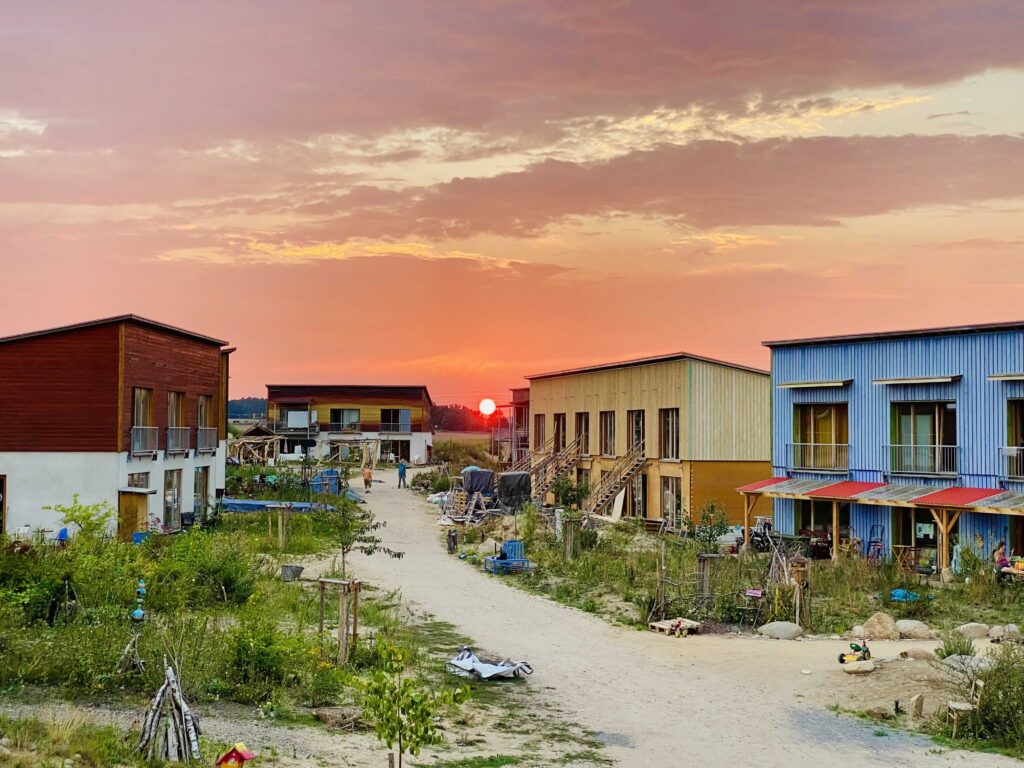
Karoline Klose talks to Elizabeth Wright about the impact her CISV Village has had on the rest of her life.
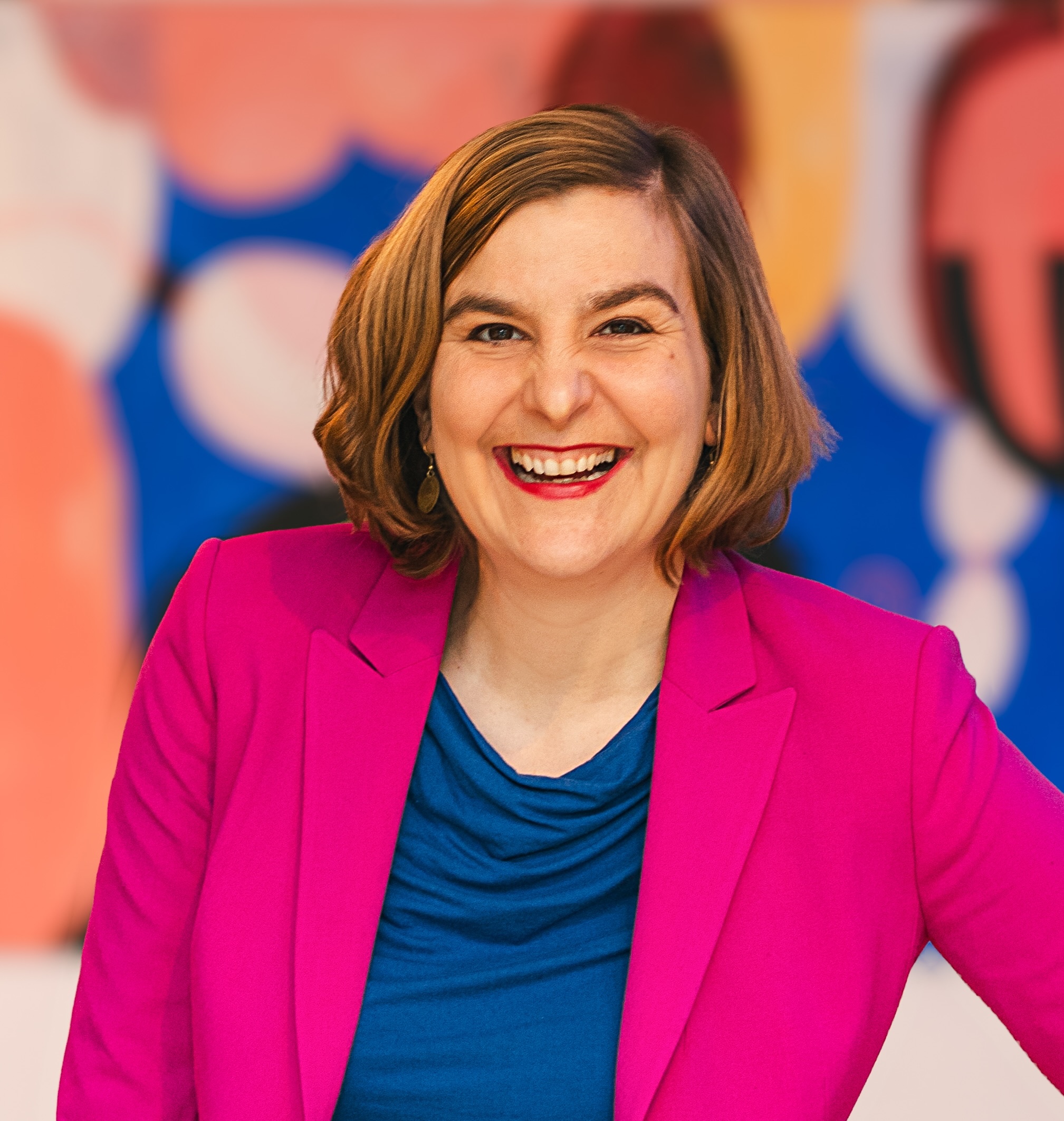
Karoline grew up in rural Germany and never really felt like she fit in, she had a hard time at school, feeling isolated and rejected from her peers. When her mum found out about CISV, Karoline was initially sceptical, but with some encouragement she decided to apply for a camp, and that decision started a chain reaction that would change the course of the rest of her life.
“When I went to CISV,” Karoline says, “for the first time ever, I really felt like I belonged.” Her enduring memory of the camp, more than any person or activity, was that sense of belonging, of fitting in, of being a part of something. “Because we were all so different, there was no normal, and so being different became the new normal.” Karoline has carried that feeling with her ever since, and has endeavoured to recreate it in other settings. CISV inspired her to start attending an international school 100 kilometres away from her home. Initially she was told that she would not be allowed to attend the school, but Karoline was determined. “I wrote a protest letter to the education minister and that impressed the headmistress so much that she admitted me to the school.”
... we were all so different, there was no normal, and so being different became the new normal.
And Karoline didn’t stop there, at age 16 she applied to the United World Colleges and won a scholarship to attend an international college in India. Whilst there, continuing to be inspired by her CISV experience, Karoline was instrumental in organising a peace conference between Indian and Pakistani youth, bringing the two cultures together. As a direct result of the conference Pakistani students were then able to attend the college!
“Basically I've been trying to recreate a CISV village all my life,” Karoline says. After college she attended the University of Cambridge, studying International Affairs, as well as serving as the International Rep and eventually the President of her college. In the spirit of recreating a CISV camp she initiated an international students fresher's week. She then went on to study a Masters at Columbia University, winning a scholarship to live at International House, which she describes as “a place for international students that felt like a year-long CISV camp.”
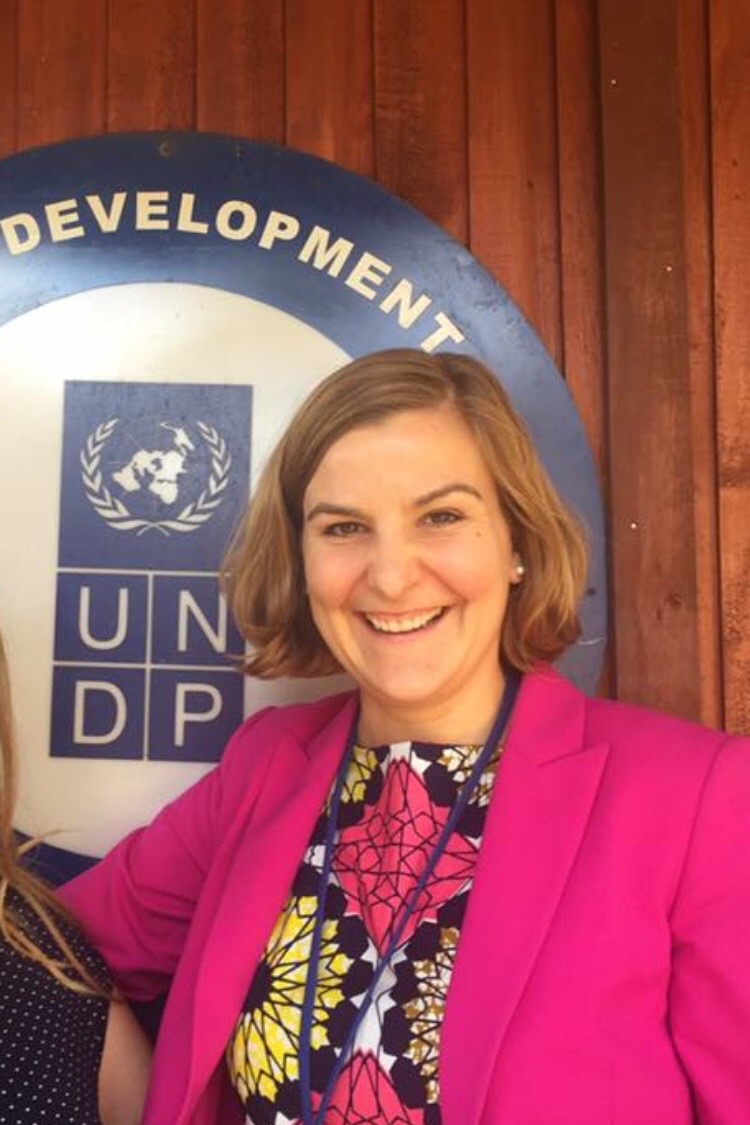
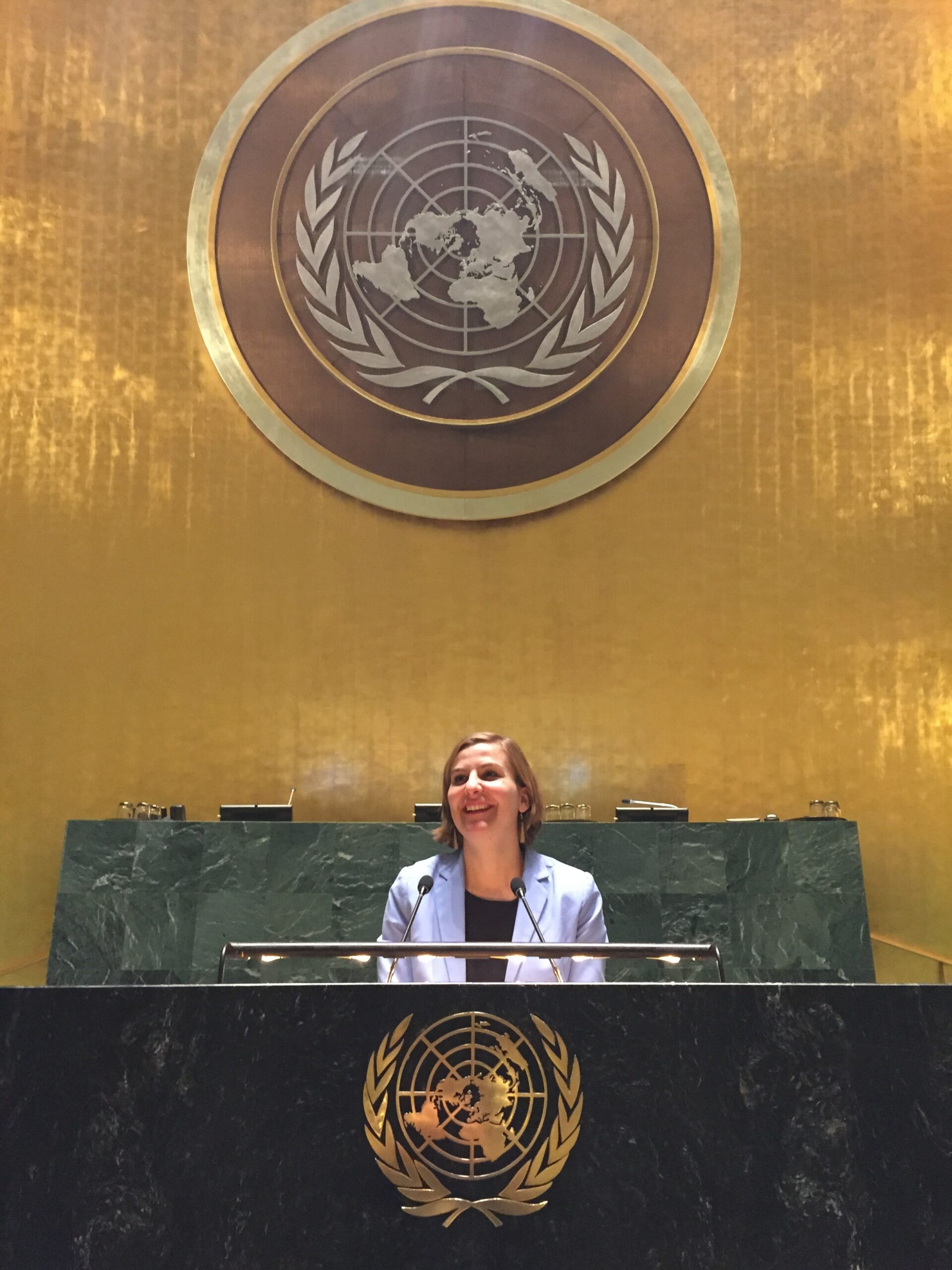
After her studies, Karoline began her work in international politics, beginning at the European Parliament, and then finally achieving her dream to work for the United Nations, which she describes as “basically CISV for Adults.” Her work with the UN centered around rebuilding countries after conflict, as well as working in the crisis centre in New York, monitoring conflicts across the world and especially looking at the United Nations peacekeeping missions and ceasefires. Most of Karoline’s studies and working life have been centered around a desire to understand how conflicts can occur. As she puts it, she wanted to “understand how people who were maybe neighbours or friends can suddenly go from understanding each other to killing each other.”
Karoline can even trace the impact of CISV back to a specific activity they did on her Village, if you’re a CISV regular it is probably one you’ll be familiar with, but it involves building an imaginary country with your group, then you visit other group’s country and you are told to destroy it, “and you do it and you have fun and you think it's cool. And then you are asked to return back to your old country and you see how everything is destroyed.” And then you have to try and rebuild your country but it is almost impossible. It is easy to see the impact that this activity had on Karoline and how it led to her work in rebuilding after conflict.
“CISV opened the world to me,” Karoline says. And it is continuing to inspire and guide her to this day. Upon her retirement from the UN, Karoline joined a group of pioneers building an international eco-village, where recently arrived refugees are welcomed into the community. The houses are built and owned communally in the form of a cooperative and great care is taken to choose sustainable materials. Karoline and her husband and parents now live in this village. Karoline was also elected the co-leader of the local Green Party and won seats on the town and regional council. She says that “motivating more women to run for local office is my absolute passion and I have founded an initiative for feminist local politics.”
Karoline’s advice for the next generation of CISV participants is: “be open to other perspectives and to have your perspectives challenged.” Karoline openly acknowledges the impact CISV has had on her and says that “I'm still so grateful for how CISV changed my life.”